The support hospice provides does not have to stop at the moment of death. For families who know where to look, there are comfort care support tools that carry that support forward into the weeks that follow, through the notifications, the arrangements, and the administrative work that grief does not pause for. This article explains what those tools are, how they work, and why having the right resources in place makes the weeks after a death significantly more manageable for families who are already carrying enough.
What Hospice Support Tools Actually Do For Families
Hospice care focuses on the medical, emotional, and spiritual needs of someone in their final stage of life. The right tools take that care a step further. They help families work out what needs to happen after the death, what order to do things in, and who needs to be told across the legal, financial, and personal sides of settling a life.
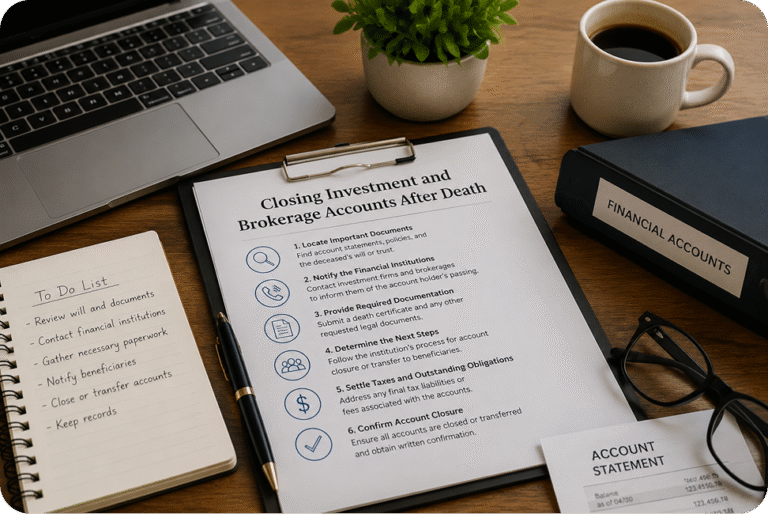
Most families only find out how much paperwork comes with a death once they are already dealing with it. The list is always longer than expected. Banks, insurance companies, government offices, credit bureaus, healthcare providers, pension managers, social media accounts, and more all need to be contacted before anything can be closed, transferred, or protected.
Having the right support brings structure to that process. Instead of a family trying to piece together this list from scratch while grieving, a clear path forward keeps things organized and manageable so nothing important gets missed.
The Role of Hospice Care After Death
Most people assume comfort care ends the moment someone passes. But the support often continues in ways many families do not realize. Many care-providing organizations offer bereavement support, grief counseling, and practical guidance on what to do next. They can point families toward funeral services, help with the paperwork, and make sure there is a real person to call during those first difficult days.
This follow-through matters. A family that has been in active hospice care has usually been through weeks or months of emotional and physical strain as caregivers. By the time death arrives, they are often exhausted. The days right after are when the administrative weight hits hardest. Having someone to lean on through that process, whether a social worker, a bereavement coordinator, or a professional notification service, makes all the difference.
This kind of support also helps families understand what documents they will need, how many certified copies of the death certificate to request, and which organizations are time-sensitive. Some notifications have deadlines that, if missed, result in continued billing, loss of benefits, or complications with the estate. Having the right guidance means families are not finding this out the hard way.
What a Hospice Notification Service Covers
A hospice notification service handles the outreach to outside organizations on behalf of the family. This is one of the most practically useful hospice support tools available because it takes the single most repetitive and emotionally difficult task off the family’s plate entirely.
Notifying institutions after a death is not just time-consuming. It is emotionally draining in a specific way. Every call requires explaining what happened, sometimes multiple times to multiple departments, and waiting on hold while doing it. A notification service removes that experience entirely. The family provides the information once, and the service handles the rest.
There are a lot of places that need to be told. Credit agencies, banks, credit card companies, phone and utility providers, government offices like the IRS and Social Security, healthcare providers, pension managers, investment firms, mortgage companies, and social media accounts all need to hear from someone. Each one has its own way of doing things and its own paperwork. A professional service takes all of that off the family’s hands completely.
Final Closures offers exactly this kind of support. As a professional death notification service, Final Closures lets families provide their information securely through an online dashboard, and the team contacts all relevant organizations on their behalf, tracking every notification and keeping the family informed throughout the process.
Hospice Final Arrangement Planning and Why It Matters
One of the most valuable things a family can do during the final stage of care is to plan ahead. Hospice final arrangement planning is the process of making decisions about funeral preferences, burial or cremation, documentation, and end-of-life wishes before death occurs. When these decisions are made in advance and clearly communicated, the family is spared from having to make difficult choices in a state of acute grief.
Hospice social workers and counselors can be a real help during this stage. They can sit with the family, talk through what the person wants, help locate existing documents such as advance directives or prepaid funeral plans, and make sure everyone knows what to expect and what to do when the time comes.
Pre-planning also reduces conflict. When there are multiple family members involved, and no clear instructions have been left, disagreements about final arrangements can add tension to an already painful situation. Having a documented plan removes that uncertainty.
From a practical standpoint, hospice final-arrangement planning also helps families avoid rushed decisions that carry higher financial costs. Funeral expenses made under emotional pressure and time constraints are almost always higher than those made in advance with time to consider options carefully.
Funeral Support Tools That Extend the Process
Funeral support tools cover a range of resources that help families from the point of death through the weeks that follow. These include funeral planning checklists, cost-comparison resources, guidance on what documentation is needed and when, information about grief support services, and professional notification services that ensure all administrative work is handled properly.
The funeral itself is just one part of what needs to happen. After the service, the family still faces weeks of administrative work. Accounts need to be closed. Benefits need to be redirected. Property and financial matters need to be addressed. Having the right resources helps families understand the full scope of what is ahead so they can plan accordingly and avoid being caught off guard by tasks they did not know were coming.
Getting this kind of help used to mean making dozens of phone calls and visiting offices in person. Now families can handle most of it from home through secure online platforms. This is especially useful for families who live far from where the estate is being settled, or for those who spent months as caregivers during the hospice period and simply have nothing left to give to a long administrative process.
Bringing It All Together
Grief is hard enough without the added weight of administrative confusion. Hospice support tools, when used well, give families the structure they need to move through the practical side of death without losing their footing entirely.
The most effective approach combines the emotional support that hospice provides with the practical side of a notification service and organized resources for handling arrangements. Together, they cover both sides of what a family needs, the human side and the administrative side.
Final Closures was built to serve that second need. Families who are already dealing with loss should not also have to figure out which organizations need to be called, in what order, with what documentation. Final Closures handles all of that through a secure, organized, and professional process so families can focus on the people who matter most.
If you are navigating this process right now or helping someone who is, Final Closures is here to make the administrative side manageable.